Sustainable Fashion Accessories
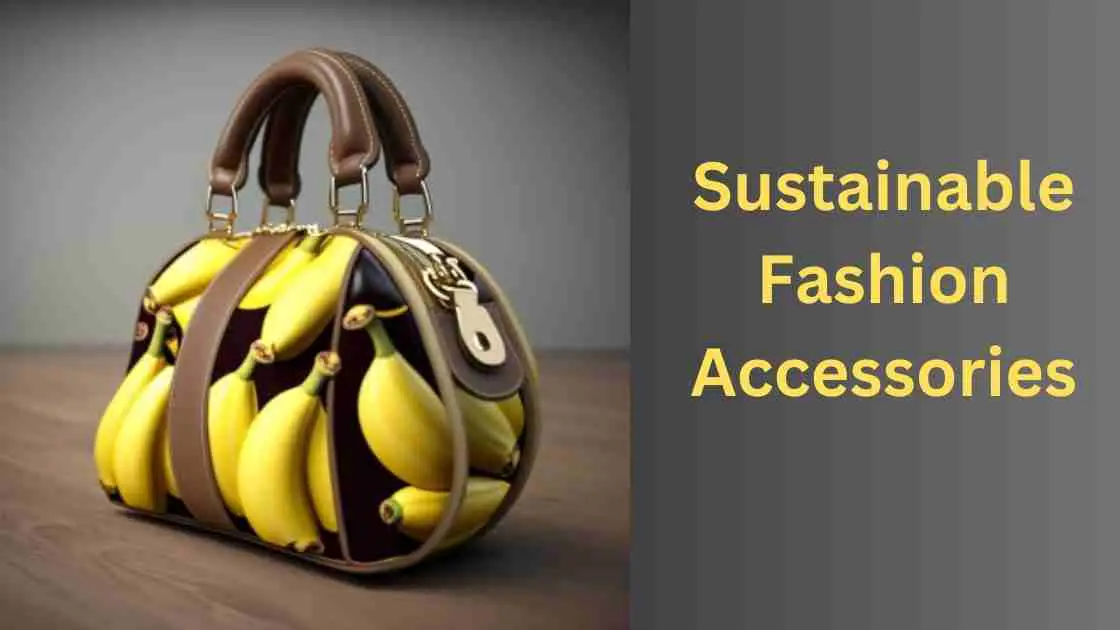
Sustainability has become the buzzword of today’s world and it is becoming increasingly important in fashion too.
Sustainable fashion accessories are a great way to be stylish while still helping the environment. They offer an alternative to fast-fashion, which often uses unsustainable materials and production processes that have a negative impact on our planet.
In this article, we’ll look at what makes sustainable fashion accessories different, why they’re gaining popularity, and some tips for incorporating them into your wardrobe.
Upcycling
Proudly producing sustainable fashion accessories, upcycling has become a powerful practice for creating vegan leather pieces with zero waste.
Finding new ways to reuse and repurpose materials is an art form, often using unique methods that make each item one-of-a-kind.
From old jeans to vintage jackets, there are plenty of items available to be transformed into something special through the creative process of upcycling.
Diverse textile fabrics can also be crafted into luxurious vegan leathers that look just like the real thing, but without any animal products involved.
With such versatile resources available, the possibilities for imaginative designs are truly endless when it comes to making beautiful fashion accessories out of recycled materials.
The key to successful upcycling lies in its ability to give preloved clothing and fabric scraps a second life as stylish and sustainable pieces.
Through clever crafting techniques these castoff objects can gain even more value than before, becoming modern works of wearable art while still staying true to their original vision – minimal environmental impact and maximum style!
Upcycling offers an amazing opportunity for us all to get creative with our fashion choices while doing good for the planet at the same time.
By embracing this concept we can show our commitment towards environmental sustainability by consciously choosing fashion accessories made from recycled materials.
Moving onto the next step…
Recycled Materials
Upcycling is an important part of sustainable fashion accessories, as it reduces the amount of waste that would otherwise end up in landfills. It also helps to create unique and interesting pieces without harming the environment.
However, another key component of creating sustainable fashion accessories is using recycled materials. Recycled materials can come from a variety of sources such as plastic bottles, old tires, paper, and glass containers. These materials are often transformed into fabrics or plastics through various processes like melting, weaving, and dyeing.
By choosing these items over virgin ones when producing fashion accessories, companies reduce their carbon footprint while not sacrificing quality or beauty. Additionally, they ensure ethical labor practices by avoiding exploitation during production and sourcing stages.
Eco-friendly brands have been increasingly utilizing zero waste methods to produce fashionable items with minimal environmental impact. This involves reusing leftover materials from other projects or repurposing existing fabrics and trims instead of simply discarding them after one use. Even scraps can be used for smaller details on garments like pockets or zippers which adds creativity and uniqueness to each piece.
The utilization of repurposed fabrics has become commonplace among eco-friendly designers who want to create stylish yet sustainable products. Not only does this practice minimize textile waste but it also allows consumers to purchase beautiful accessories without contributing to fast fashion’s negative economic impacts – making it a win-win situation for everyone involved!
To further reduce harmful emissions associated with production processes, many brands opt for organic fabrics derived from renewable resources such as hemp or bamboo yarns which offer similar textural qualities at a fraction of the cost compared to traditional fabrications.
With options available now more than ever before, there’s no excuse not to invest in responsibly made goods that benefit both people and planet alike! As we move forward into this new era of shopping ethically and sustainably, let us all remember that every small change makes a difference in helping our world heal itself.
Repurposed Fabrics
Repurposed fabrics are becoming increasingly popular in the sustainable fashion accessories space. By utilizing already existing materials and avoiding production of new items, these zero waste materials reduce environmental impact while being stylish and fashionable. This also helps green business models to save costs by sourcing second-hand clothing for their products.
The use of repurposed fabric is especially beneficial for people who want to make a statement with their look but don’t want to contribute further to landfills or the fast-fashion industry. For example:
- Clothing made from recycled plastic bottles
- Jackets and sweaters
- Tops, skirts & dresses
- Textiles crafted from upcycled denim jeans
- Bags and purses
- Shoes and sandals
These pieces not only help support eco-friendly living, they can be customized with unique prints, patches and designs that reflect individual style preferences.
In addition, using repurposed fabric is cost efficient since it does away with the need for expensive raw materials such as cotton or wool. Companies have developed innovative methods for transforming pre-existing material into something entirely new without compromising on quality; giving consumers access to high end fashion at affordable prices which often outperform traditional garments in terms of comfort and durability.
This shift towards reusing old textiles has seen an increase in demand and helped raise awareness about ethical consumption practices among everyday shoppers who now prioritize sustainability when buying clothes or accessories.
Moving forward, plant-based fabrics provide yet another avenue through which companies can create environmentally friendly products that meet customers’ needs.
Plant-Based Fabrics
Transitioning from repurposed fabrics to plant-based fabrics, it’s like looking through a kaleidoscope and seeing the world anew.
Plant-based fabrics are a great way for sustainable fashion accessories to be created in an ethical manner. By incorporating green textiles such as hemp or bamboo into production processes, manufacturers can minimize their environmental impact while still providing customers with quality pieces.
These fabric choices often come at no additional cost when compared to synthetic alternatives, making them even more attractive options for those wishing to make responsible consumer decisions. Furthermore, natural dyes derived from plants also have far fewer toxic effects on workers who are handling these materials than many alternative treatments used by clothing companies.
The use of plant-based fibers and eco-friendly dyes is becoming increasingly popular among accessory makers due to its ability to reduce energy consumption during the manufacturing process and lessen their overall carbon footprint.
Natural materials tend to last longer than synthetics which makes them ideal for creating long lasting items year after year without having to worry about polluting the environment unnecessarily. In addition, they require less water usage and create less wastewater runoff which helps sustain the local ecosystem around factories where these goods are made.
Plant-based fabrics provide both customers and producers with an opportunity to embrace eco friendly practices while still enjoying stylish fashion accessories that will look great season after season.
As awareness grows regarding how our purchases affect the planet, we may eventually see all fashion accessories being produced using plant based materials and natural dyes to ensure a positive future for us all.
With this in mind, let’s take a closer look at what goes into producing natural dyes…
Natural Dyes
Natural dyes have been used for centuries to dye fabric and create beautiful clothing pieces. They are derived from substances found in nature, such as plants, fruits, insects, and minerals; and are a form of sustainable fashion that doesn’t harm the environment like synthetic chemical dyes do.
Natural pigments provide an interesting variety of colors that cannot be recreated with synthetics, making them perfect for creating unique accessories.
Here’s a list of ways you can use natural dyes:
- Plant-based sources such as flowers, leaves, bark, wood chips or roots
- Fruits or vegetables like berries or onions
- Insects such as cochineal bugs
- Minerals like ochre or iron oxide
Using natural dyes is not only eco-friendly but also zero waste since they don’t require any additional water treatment before being released into waterways after the dying process is done. Additionally, no toxic chemicals are released into the earth while using these products which makes them even more sustainable than other options available on the market today.
With all this said it’s clear why so many people choose to opt for natural dyes when purchasing their fashionable accessories – now let’s explore how we can make sure those items reach us safely with eco friendly packaging!
Eco-Friendly Packaging
Natural dyes have been used for centuries to produce vibrant colors in clothing and accessories. Fortunately, these traditional methods are now being embraced by the sustainable fashion industry as a way to add vibrancy without relying on synthetic or chemical-based alternatives.
However, with an increased focus on sustainability comes the need for eco-friendly packaging solutions that will ensure zero waste manufacturing and green sourcing of materials from start to finish.
One approach is using biodegradable shipping material such as cornstarch plastic and paper mailers instead of non-biodegradable options like polystyrene foam or bubble wrap. This type of packaging not only reduces environmental waste but also has a smaller carbon footprint than other types of conventional packaging. Additionally, it can be recycled after use, allowing companies to remain committed to sustainability while minimizing their impact on the environment.
Another strategy is investing in renewable energy sources like solar panels or wind turbines to reduce dependence on fossil fuels during production processes. By doing this, businesses can lower their CO2 emissions while providing clean energy for their operations at the same time. Furthermore, they can take advantage of incentive programs offered by governments around the world which seek to promote cleaner forms of energy consumption among manufacturers.
Finally, many sustainable fashion companies have begun implementing ethical labor practices into their operations as well. They are ensuring fair wages for workers and providing safe working conditions that meet international standards—all important steps towards creating truly sustainable products from start to finish.
With all of these efforts combined, we can make great progress toward achieving more environmentally friendly manufacturing practices within the fashion industry. Looking ahead, it’s clear there’s much yet to do when it comes to making our supply chains fully sustainable and ethically sourced – a challenge worth undertaking if we’re serious about protecting our planet and its people alike.
Sustainable Manufacturing Practices
Sustainable manufacturing practices are essential for producing fashion accessories in an environmentally friendly way.
Organic agriculture is a great starting point, as it eliminates the use of synthetic chemicals and fertilizers that can harm both the environment and human health. This also reduces energy consumption by eliminating energy-intensive processes like irrigation and pest control.
Green transportation is another key factor when it comes to sustainable production, as reducing emissions from shipping materials will help reduce climate change effects. Additionally, green transport solutions such as bike couriers or electric vehicles should be used to minimize pollution.
Reducing waste during production is also important for sustainability. By using recycled fabrics, manufacturers can reduce their reliance on virgin materials while still creating high quality products with minimal environmental impact. Similarly, recycling unused fabric scraps instead of disposing them helps keep these resources out of landfills and reduces the need for additional raw materials.
Another aspect of sustainable manufacturing involves ensuring fair working conditions for employees involved in production processes. Companies should ensure that workers receive living wages, access to medical care and other benefits so they can lead safe and healthy lives without fear of exploitation or abuse. Furthermore, companies have a responsibility to strive towards gender equality throughout their operations to promote positive social change in all areas where they operate.
With careful consideration taken into account regarding sustainable manufacturing practices, companies can create ethically sourced fashion accessories that meet customers’ needs while having a minimal negative impact on the environment.
Moving forward, we must focus our attention on local producers who are committed to ethical standards and sustainable business practices to ensure that our clothing industry continues to adopt more responsible approaches going forward.
Local Producers
The idea that sustainable fashion accessories can be both ethically produced and make great gifts is gaining traction. Sustainable gifting has become an increasingly popular trend, especially among young adults looking to find meaningful presents for their loved ones.
As the demand for ethical labor increases, more local producers are entering the market in order to meet these demands. These local producers often produce high-quality goods while focusing on sustainability as a core pillar of their business model. They strive to use eco-friendly materials whenever possible, as well as source them from suppliers with strong environmental practices such as Fair Trade Certified organizations or those who work closely with non-profit groups like Trees For The Future.
This type of production ensures that not only are these products made with care but also help protect our planet’s resources for future generations. Not only do these companies create quality items that last longer than cheaply made alternatives, they also ensure fair wages and safe working conditions for all involved in the process from conception through completion.
Furthermore, many of these companies donate a portion of their proceeds or implement other initiatives designed to benefit people in need around the world. By investing in socially conscious businesses such as these, consumers can feel confident knowing that what they purchase is making a positive impact beyond themselves.
As awareness continues to grow about the importance of finding ways to shop responsibly and support ethical labor, it’s clear that there will always be room for locally owned sustainable fashion accessory producers and retailers within this growing industry. With so much potential to keep expanding upon environmentally friendly practices while still creating beautiful products, it makes sense why shoppers continue turning towards local sources first when seeking out sustainable gifts and apparel options – even if it means spending more money upfront.
Transitioning into considering how ‘fair trade labels’ play a role in this topic…
Fair Trade Labels
Fair trade labels are an important tool for promoting sustainable fashion accessories. They help consumers identify products that have been created in a socially and environmentally conscious manner, as well as those produced using fair labor practices. By choosing to purchase items with this label, customers can be sure they’re supporting a brand that prioritizes both the environment and its workers.
Additionally, many of these brands also engage in community outreach initiatives that reduce their carbon footprint while providing greater access to quality goods at more reasonable prices.
The majority of companies who use fair trade labels adhere to strict standards regarding production methods, labor conditions, environmental protection, and product safety. This means that when shoppers make purchases from these brands, they can trust that their money is going towards ethically sourced materials and processes which prioritize sustainability above all else.
Furthermore, many products made with fair trade labels tend to last longer than comparable non-labeled items due to the higher-quality components used in their construction.
When it comes to ethical shopping choices, one should always look out for the Fair Trade Label on clothing or accessory items. Doing so will ensure your purchases support businesses whose values align with yours – ones committed to making positive change through responsible manufacturing techniques and improved working environments for laborers throughout the world.
Not only will you feel good about how your money spent but you’ll be helping create a healthier planet too!
These efforts extend beyond just what we wear though; there is still much work left to do if we want our planet’s future generations to enjoy the same level of beauty and bounty as us today. Moving forward into the next section we explore how ethically sourced materials play an essential role in preserving natural resources for years ahead.
Ethically-Sourced Materials
Fair trade labels are a great way to ensure that workers in developing countries have access to fair wages and safe working conditions. But for fashion items, it’s just as important to consider the materials used – preferably those sourced ethically from sustainable sources.
Ethically-sourced materials can make a big difference when it comes to creating more sustainable fashion accessories. Low waste production is key when sourcing these materials, which means investing in only what’s necessary while striving towards zero-waste manufacturing processes. This helps reduce the carbon footprint of our products and minimizes any potential environmental damage caused by their production or disposal.
Additionally, using durable fabrics ensures that items last longer and require less frequent replacement over time – reducing overall consumption rates too. Organic cottons, recycled plastics and natural dyes are some eco-friendly alternatives that can be used instead of conventional fabrics with potentially dangerous chemicals.
By shopping responsibly and conscious of where each item has come from, we can help support ethical practices throughout the entire supply chain – from farm to factory to store shelves. It’s also worth looking into how well the fashion accessory will hold up over time; designs made with quality craftsmanship should stand strong against wear and tear for years on end without needing replacing so easily.
With all this being said, transitioning away from fast fashion towards higher quality pieces made with sustainably-sourced materials is an effective way of promoting greater sustainability in the world of fashion accessories.
Durable Designs
Sustainable fashion accessories are designed to last and resist wear, tear, and fading. They are made with durable materials such as organic cotton, jute, hemp, and wool for long-lasting quality. Sustainable sourcing is an important part of the production process: companies must source from ethical suppliers who use eco-friendly techniques and provide fair wages. Zero waste production processes ensure that no material goes to waste during manufacturing; instead all scraps are repurposed or recycled into new products.
The design process also plays a role in sustainability; each piece should be carefully crafted to maximize longevity so it doesn’t need replacing often. Designs should take into account both the needs of the customer as well as what is best for the environment by avoiding excessive glues, plastics, dyes, metals etc., wherever possible. This creates pieces that look great while reducing environmental impact too.
Environmental impacts are not limited to just manufacture either. By changing how people consume clothing – opting for fewer but better quality items rather than fast fashion – we can reduce our carbon footprint even further. Durable designs enable customers to buy less often without sacrificing style or quality which helps support sustainable practices within the industry too.
Supporting artisans who create handmade pieces using traditional methods is another way to help build a more sustainable future for fashion accessories. Not only do these craftsmen have unique skillsets but they also understand how their craft has evolved over time and how that knowledge can inform modern day design decisions in order to make them environmentally friendly yet still appealing to consumers. As demand grows for eco-conscious products there’s never been a better time to shop sustainably!
Supporting Artisans
Sustainable fashion accessories are not just about durable designs, but also about supporting artisans.
Ethical sourcing is at the heart of sustainable fashion practices; ensuring that all materials used in production are sourced from reliable suppliers who adhere to fair-trade principles and green sourcing standards.
In many cases, this means working directly with artisanal communities to create handmade pieces crafted with traditional methods passed down through generations.
This helps protect local livelihoods and conserve ancient craftsmanship while providing a platform for global recognition and appreciation of unique skills and traditions.
Supporting artisans has important implications for preserving cultural heritage as well as promoting economic development around the world.
Such initiatives go beyond simply helping individual producers to make a living by investing in their future success and enabling them to adapt to changing markets and consumer demands.
By purchasing ethically made goods from independent designers, you can be sure your money is going towards empowering small businesses on a grassroots level rather than contributing to exploitative labor practices or environmental damage caused by large corporations.
With careful consideration and research into where products come from, it’s possible to find fashionable items which align with your values without compromising on quality or style.
Shifting away from fast-fashion consumption doesn’t have to mean sacrificing our favorite trends – shopping secondhand allows us access an array of vintage treasures while giving pre-loved garments new life.
Shopping Secondhand
Shopping secondhand is an excellent way to purchase sustainable fashion accessories. There are numerous thrift stores and vintage shops that offer unique products at great prices, allowing you to add a bit of flair to your wardrobe without breaking the bank.
Here are three reasons why shopping secondhand should be on everyone’s radar:
- Cost-Effectiveness – Secondhand items are usually much cheaper than buying something brand new. This makes it easier to stay within budget while still finding quality pieces for your closet.
- Variety – While purchasing from a retail store may limit you in terms of styles and sizes, thrift stores have dozens of options so you can find exactly what you’re looking for.
- Sustainability – Shopping secondhand helps reduce the amount of clothing waste produced by fast fashion brands, meaning less harm done to our planet!
All in all, shopping secondhand for sustainable fashion accessories allows us to make stylish choices without compromising our wallets or the environment. With this knowledge, we can move forward with confidence into creating a minimalist wardrobe that reflects sustainability and individual style!
Minimalist Wardrobe
Having a minimalist wardrobe is the key to sustainable fashion. To hit two birds with one stone, you can be conscious of your clothing choices while also having fewer items that need replacing over time.
Shopping ethically and choosing materials that are long-lasting will help ensure you have a timeless wardrobe that stands the test of time. When striving for sustainability in fashion, it’s important to buy quality pieces that won’t wear out quickly or go out of style–and this starts at the shopping stage.
Sustainable fabrics like hemp, organic cotton, bamboo viscose and Tencel are all great options when looking for new clothes.
Aside from being mindful about what you purchase, there are other ways to make sure your closet remains minimal yet stylish. Try donating items every few months instead of keeping them ‘just in case’. You could even host an online swap event with friends if you want to give away some older garments without directly selling them.
Furthermore, think twice before purchasing something just because it’s on sale; ask yourself whether or not you really need it and how often you’ll actually use it! Taking these steps will ensure your wardrobe stays clean cut and clutter-free while still expressing personal style.
With those tips under your belt, let’s move onto making sustainable swaps–ones that don’t sacrifice convenience but rather enhance our lives by promoting conscious consumption habits.
Making Sustainable Swaps
Switching to a minimalist wardrobe is an amazing way for anyone to reduce their environmental footprint. However, taking the next step and making sustainable swaps in your wardrobe can also greatly benefit the planet.
By making conscious decisions about where our clothes come from and what materials are used, we can ensure that our fashion accessories are not only stylish but ethically produced with minimal waste.
One of the most important steps towards creating a more eco-friendly wardrobe is understanding how our clothing is made. It’s essential to research brands before purchasing any item and make sure they adhere to ethical labor standards and use sustainable fabrics or recycled materials whenever possible.
Additionally, look out for companies who practice zero waste production – this means no fabric goes unused during the manufacturing process and helps minimize environmental damage.
Another key factor when it comes to sustainability is durability; buying quality pieces that will last longer ensures you won’t need replacements as often, which significantly reduces consumption overall. This doesn’t mean you have to sacrifice style either! There’s plenty of options available on the market today that offer fashionable designs without compromising on craftsmanship or material quality.
When shopping for new items, always keep sustainability top of mind and ask yourself if it really necessary – maybe there’s something similar already in your closet? That said, sometimes replacing older items with newer ones may be inevitable due to wear & tear or changing trends – just remember to go for pieces with timeless appeal so they’ll stay relevant season after season!
Frequently Asked Questions
What Is The Difference Between Upcycling And Recycling?
Upcycling and recycling are two widely different concepts, even though they’re both associated with environmental responsibility.
Recycling involves breaking items down into their component parts in order to create something new; upcycling does the opposite by taking existing materials and repurposing them without any further processing.
While recycling seeks to reduce pollution from production through reusing resources, upcycling is a form of ethical production that can also help prevent pollution.
It’s this difference that makes sustainable fashion accessories such an effective way of promoting green living – enabling us to reuse or transform old items into beautiful pieces for our wardrobes.
Is It Difficult To Find Eco-Friendly Packaging For Accessories?
Finding eco-friendly packaging for accessories can be tricky, as many conventional options are made from unsustainable materials and produced with unethical labor.
Consumers should prioritize sourcing sustainable materials like recycled paper or biodegradable plastic alternatives, and look for vendors who adhere to ethical labor standards.
There is also the option of upcycling existing materials such as glass jars or tins to store items in a more environmentally conscious way.
What Are The Benefits Of Supporting Local Producers?
Shopping locally is becoming increasingly popular, as consumers are recognizing the benefits of supporting local producers.
By making conscious consumer choices and shopping locally, you can help stimulate your local economy while reducing environmental impacts like carbon emissions associated with transporting goods over long distances.
Additionally, buying from small businesses often means that products have been produced using sustainable practices.
Supporting local producers also allows customers to create relationships directly with those who created their items—a key part of any sustainable fashion accessory purchase.
How Does Buying Secondhand Help The Environment?
Buying secondhand is a great way to reduce waste, as it keeps items out of the landfill and makes them available for others.
It also helps support ethical labor by ensuring that people are not working in unethical conditions or being paid unfair wages.
This means that when you buy secondhand, you’re helping to protect both the environment and the workers who make our clothes.
Are Plant-Based Fabrics More Sustainable Than Natural Dyes?
Plant-based fabrics are becoming an increasingly popular option for sustainable fashion.
These materials are often more eco-friendly than natural dyes, which can be harmful to the environment as a result of unethical sourcing and unsustainable dyeing practices.
Plant-based fabrics offer an ethical alternative that is better for both the planet and consumers who care about environmental responsibility in their clothing choices.
Conclusion
The answer to sustainable fashion lies in the details. Upcycling, supporting local producers and buying secondhand are all great ways to reduce our environmental impact without sacrificing style.
Plant-based fabrics can be just as stylish as natural dyes while reducing the water consumption associated with traditional materials.
Eco-friendly packaging is also an important factor when it comes to sustainability.
With these small steps, we can make a big difference for the environment. By taking the time to research our options before making purchases, we can ensure that our accessories are both stylish and sustainable!